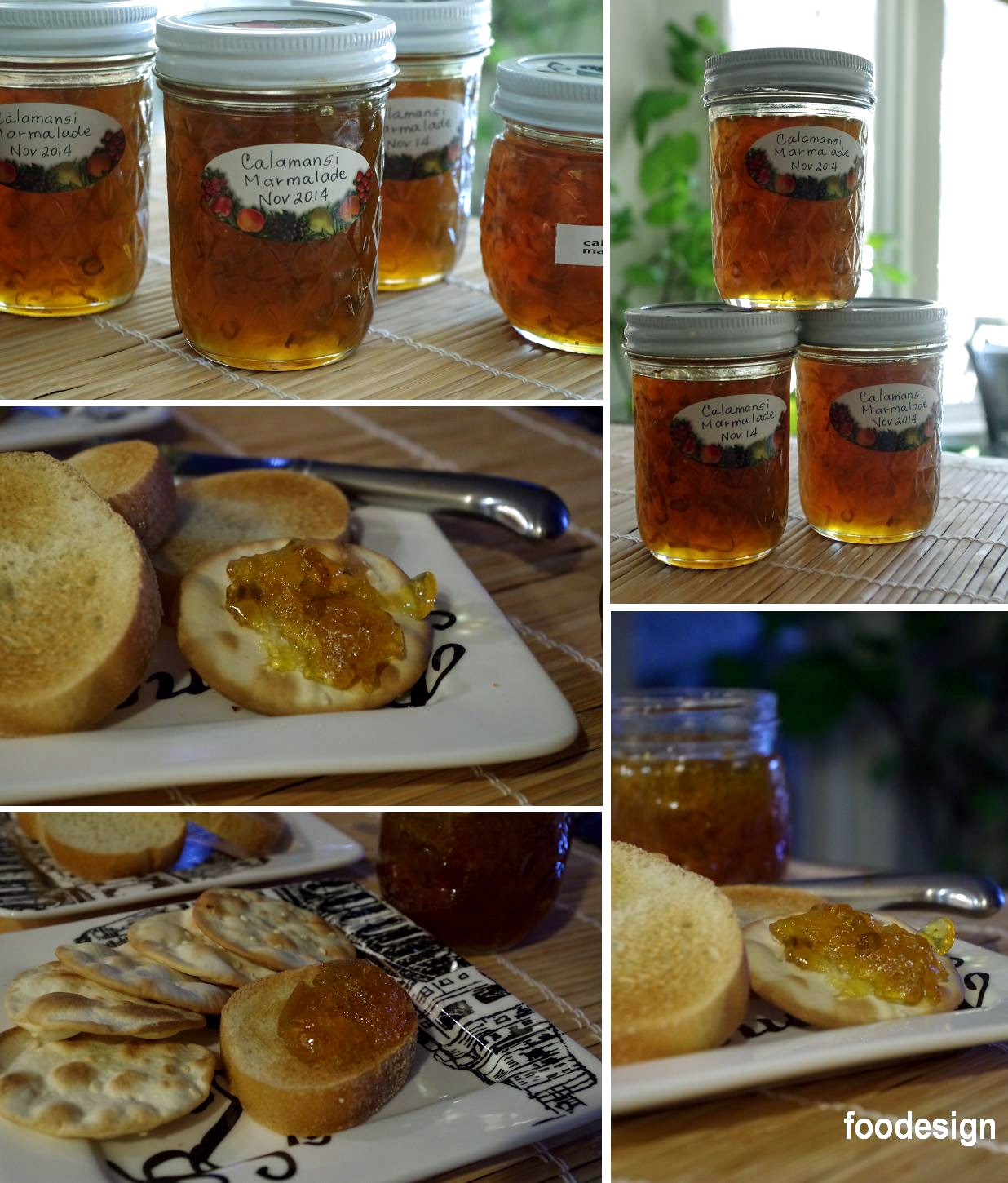
The finished product taste test as shown above. The canning jars, lids and rings were washed thoroughly with warm soapy water then sterilized in boiling water for 10-15 minutes before using. I let them air dry on a wire rack while cooking the marmalade. Served with some crackers and toasted slices of French bread, the calamansi marmalade had a good balance of sweetness and citrus flavor with a slight bitterness from the strips of calamansi peel. The distinct calamansi flavor in this marmalade was unlike any other citrus marmalades I've tried.
 |
| washing the calamansi under running water |

Using a small knife, slice and juice the fruits removing the seeds (above). I separated the segments from the peel, however, this step is optional. Slice the peel into strips next. I later found out that it was better not to slice the peel too thinly as they almost melted while cooking. Add 3/4 cup of water to every cup of fruit. I simmered the juice with the peel and the pulp segments in two separate pots for 10-12 minutes. Then I strained the pulp into the juice to get maximum pectin. Refrigerate the mixture preferably overnight.

The next day, pour the refrigerated mixture into a bigger pot before adding the sugar. The bigger pot ensures that the mixture doesn't boil over during the cooking process. Add 1 cup of sugar to every cup of the mixture. A tablespoon of butter may be added to prevent foaming. I learned that a candy thermometer is most helpful to precisely determine the correct temperature (ideally 220F) for the marmalade to properly set. The calamansi fruits contained lots of pectin eliminating the need for Sure Jell, a dry pectin product used for jam and jelly making.
 |
| the jars all filled up with the hot mixture |

Hand tighten the lids and rings onto the jars then process them in boiling water bath for 10-12 minutes, as shown above. Using a jar lifter gadget, carefully transfer the hot jars to a towel-lined tray or cutting board. As the jars start cooling down, they will pop and seal. Jars that didn't seal properly must be refrigerated. Sealed jars may be stored in the pantry.

Homemade marmalades and jams make great gifts from the kitchen for the coming holiday season. Label them with the date they were made then wrap them in clear cellophane, as shown in the example above. Tie with a pretty ribbon or raffia.


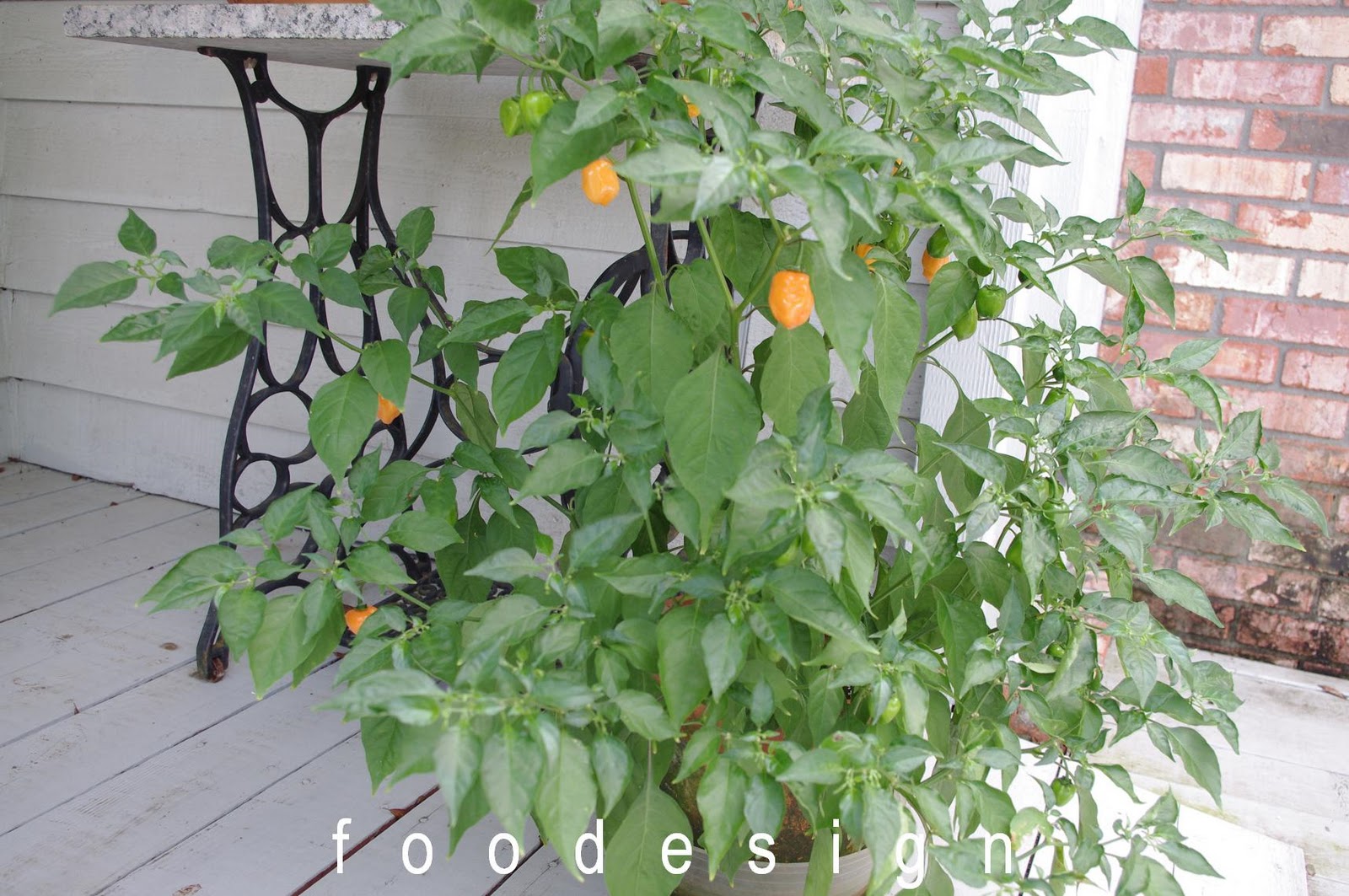
 We planted three kinds of chili peppers this year and have started to harvest them. These jalapenos, habanero and cayenne chilis grow very well in small pots and are very low maintenance. It's fun to watch them grow and see the dainty little flowers turn into these shiny colorful chili peppers.


 One of the highlights of spring and summer that I find most interesting is watching plants and flowers blooming all around us. At springtime, trees and shrubs with flowers of many attractive colors never fail to fascinate me. We have a few citrus in pots like calamansi or calamondin orange and kaffir lime which come back to life every year and start flowering from late spring to early summer. The calamansi flowers [shown above] have a wonderful citrus scent. The fruits are usually ready for harvesting by late summer until early fall. They provide me with a good supply for marinades and other uses that I no longer need to buy lemons and limes from the grocery store.
 Our kaffir lime plant with tiny fruits[above].
 I've made this a few times, but this was the first time I used rosemary branches for the skewers. Having just pruned our overgrown rosemary plant, I thought it was a perfect time to try them. I gathered the branches and rinsed them, trimmed off the leaves but left the top for decorative purposes. The marinated pork slices [marinade recipe below] were skewered with the rosemary branches then pan-grilled. It was a great idea which added some flavor as well. I even used the extra rosemary sprigs to brush the pork with the marinade instead of a regular brush.
 I served the grilled pork with a Mediterranean-inspired salad (shown above) with mini pasta, barley, fresh Greek oregano, cubed cucumbers and tomatoes. Crumbled feta cheese may be added as well. The dressing was a simple yoghurt, sour cream, lemon juice, salt and pepper combination which worked well and was a refreshing touch served with the pork.

 We now have four kinds of chili peppers (shown above) growing in one pot. We have habanero, tabasco, jalapeno and bell peppers. They seem to be happily growing together.