Showing posts with label noodles. Show all posts

July 20, 2016

classic Vietnamese favorites at home

Split yellow mung beans in the light batter made these Vietnamese crepes or banh xeo quite unique. Traditionally filled with shrimp, other meat like chicken and pork may be substituted. I also used sauteed ground pork cooked with coconut milk. As with many Vietnamese specialties, these crepes were served with beansprouts and fresh herbs like Thai basil and cilantro.


Vietnamese crepe assembly

To complete our Vietnamese meal, I also tried to cook Vietnamese pho for the first time at home. I didn't feel the need to cook it at home before because we used to go to a very good Vietnamese pho restaurant but lately we haven't been there much. I do miss and crave the taste of this popular Vietnamese soup.


A platter of herbs, lime, jalapenos, beansprouts and mushrooms to complete a bowl of pho (shown above). The mushrooms are not traditional but it was a nice addition.


I got 3 pounds of beef marrow soup bones at our local grocery to make the pho. I also got some lean round beef cut for the thinly sliced rare beef that was also essential to complete a bowl of pho. Fresh ginger and a whole onion are usually charred on a hot grill or roasted in the oven. Spices such as star anise, cinnamon sticks and whole cloves were also added to the water. I used the Instant Pot pressure cooker for the broth. I later learned that the broth was best made a day ahead and refrigerated to intensify the flavors. The extra fat was skimmed off the surface before reheating. It was a bit time consuming to make but the result was a full-flavored soup broth.


The most important part of pho is the broth. It's just not right without the classic combination of flavors. Before serving time, simmer the broth. Soak the rice noodles in warm water for a few minutes to soften them. Pour boiling water over the noodles or place in a colander and dip in boiling water for a few minutes until fully cooked. Drain well. To serve, place the cooked noodles in a serving bowl, arrange a few slices of very thinly sliced beef on top then ladle the hot broth into the bowl. Top with beansprouts and lots of fresh herbs. Serve with lime and sliced jalapenos.

This particular recipe for Pressure Cooker Pho from The New York Times was my guide for the ingredients and process to make the pho.

earthy shimeji mushrooms from the Asian market

April 24, 2015

rice paper rolls

Right after my sous vide experiment which I posted previously, some leftover steaks made it into the beef summer rolls, shown below. Sliced very thinly and layered with julienned carrots, cucumbers, red radishes, red bell pepper and lettuce leaves, they were refreshing and light, perfect little appetizers for hot and humid summer days. I also like cooked vermicelli noodles in them, for additional texture, but always optional. Dried rice papers, sold in most Asian markets and grocery stores, are handy to have in the pantry. To make the rice paper pliable, soak it briefly in warm water then lay it on a clean towel or wood cutting board to get rid of excess water before rolling.


Another version I made later on was with a combination of thinly sliced ripe mango, cucumber, red bell pepper and surimi or imitation crab sticks layered and rolled together with flavored vermicelli noodles. Thanks to the recipe by Chef Hylton Le Roux which I found on youtube. Glad to discover his Market to Master series which I've been watching lately. He's a chef based in Manila who also travel around the country in search of the best regional dishes and food. I get so many tips and ideas from the episodes.


surimi flakes, red bell pepper, cucumber and mango 


Shown above, the seasoned vermicelli noodles and the package of imitation crab I used. The noodles were soaked for a few minutes in boiling water until they softened then drained. Toss with chili sauce (for a spicier version, use sambal oelek), rice vinegar, sesame oil and mirin. The seasoned vermicelli was very tasty and I may never go back to using plain vermicelli for these rice paper rolls. Serve with honey-soy dip.

For the recipe...

January 10, 2015

ramen at home


my husband's ramen (above) with a touch of sambal oelek

It's exciting that the Japanese ramen craze has invaded big cities in the US over the past few years. I remember growing up in Manila enjoying many variations of it. However, I had one particular Filipino noodle soup favorite popularly called "mami" in Manila which my mother used to make for the family. The fresh egg noodles were store-bought but she would make all the toppings from scratch. These days, our laid back weekend meals at home usually mean very simple cooking involved with instant ramen soups ranking high in our list :-)


We had a chance to visit my favorite Asian market on our way back home from a recent vacation. I was excited to see some fresh vegetables like enoki mushrooms, baby bok choy and fragrant Chinese chives that aren't usually available at the grocery store. They also sell them at a very reasonable price. These vegetables were perfect for ramen.


Shown above, I arranged the cooked ramen noodles, blanched baby bok choy strips, thinly sliced chives, enoki mushrooms and eggs in a bowl. I just rinsed the enoki mushrooms, they didn't have to be blanched. Pour boiling ramen broth over the arranged ingredients. Serve immediately and enjoy!

March 31, 2011

pancit...a symbol of long life


Pancit is how we say noodles in the Philippines :-) It's the most common noodle dish that's well loved by everyone (I haven't met anyone who doesn't care for this). Vegetables play a major part in making pancit adding flavor and color to this festive dish. It's birthday time for me once again and as a symbol of long life, it's traditional in the Philippines to cook a certain noodle dish or spaghetti for one's birthday. Usually for a kid's birthday party, spaghetti has always been a sure hit. With the older crowd, it's pancit :-) The month of March was when I also started this foodblog exactly six years ago. The months and years go by so fast making me realize more how much we must all enjoy the time given us. With this celebration, I give thanks for the many blessings as well as for the gifts of family and joy in my life.


For my pancit recipe version...

August 4, 2010

shrimp lo mein


My husband has a serious allergy to shrimp and crawfish so I make sure not to cook it for dinner but for lunch, I can always get away with it :-) My love for seafood didn't start early on. My mother loved shrimp and blue crabs. I remember she couldn't resist buying them at the market from her favorite vendor. She would cook them as soon as she got home. As a kid, I too had a terrible allergy to baby shrimp but fortunately, as I grew older, I got over it. Store bought shelled frozen shrimp were the answer to my cravings here. They're very convenient for quick stir-fries like for this lo mein. In the Philippines, our most popular lo mein versions are called pancit. Many kinds of wheat and rice noodles may be used. For this simple lo mein, I used a variety called pancit canton, sold in most Asian stores. These noodles may be cooked ahead by blanching in boiling water until softened much like pasta. They may also be added to the broth to absorb the sauce and flavors. I thawed out and rinsed the frozen shrimp then dried them with a paper towel. I pan fried them in a little oil until just done then transferred them to a plate. I also pan fried some tofu slices and set them aside with the shrimps. Sliced onions and minced garlic were sauteed next in the same pan followed by the vegetables. I used thinly sliced red and green bell peppers and carrots. Other vegetables like cauliflower and broccoli may also be added. Put the noodles, shrimp and tofu back in the pan and toss with the seasoning sauce made with a combination of water, soy sauce or salt, few drops of sesame oil (optional), oyster sauce (optional) and ground pepper.

May 12, 2008

pancit bihon guisado

A symbol of prosperity and a belief that it brings long life, birthday parties, celebrations and gatherings are incomplete without pancit, a stir-fried rice noodle dish, very similar to Chinese chow mein or lo mein. Actually, this is just one of the many delicious dishes we have learned and adapted from the Chinese which has evolved to be very Filipino. There's a huge Chinese-Filipino population in Manila where Binondo, a well known Chinatown area, is located. It's a big area and community filled to the max with stores and restaurants dedicated to servicing not just the Chinese but Filipinos, other nationalities and tourists as well. There are many creative pancit varieties and some are listed here. Another interesting write-up and ad with some additional information about the pancit can be found in this link. One of the most popular is pancit bihon. It is made with pork and chicken, lots of veggies, and a finer kind of rice noodle called bihon. Some of the commonly used veggies are carrots, cabbage, green onions, chicharo or snap peas, celery, green beans, red bell pepper and chayote to name a few. All of these veggies are usually finely julienned to cook faster when stir-fried in the wok. Soy sauce with a little oyster sauce may be used for flavoring. The pork and chicken (preferably with bones) were seasoned with salt and pepper, then cooked and simmered in water together until fork tender. They were thinly sliced and set aside with the other ingredients. It's advisable to have all the ingredients ready before starting to stir-fry. Some like to soak the rice noodles in water but I prefer adding the dry noodles to the stock and letting them absorb it for more flavor. The veggies may also be blanched ahead to retain their bright colors then just tossed with the noodles after cooking. Other additional ingredients we like to add, but may be hard to find here, are sliced longganisa macao or dried Chinese sausages, sliced fish or squid balls (sold frozen in most Asian markets and groceries in Manila), but these are optional. Serve the pancit steaming hot with some sliced lemons and sliced green onions.

March 11, 2008

shrimp & soba noodles

I was hungry. I run out of something instant to eat. This shrimp and soba noodle dish was the result of my lunchtime predicament. Easy to peel shrimps are very convenient to use. Just a quick soak or rinse under warm water and they're ready to be thrown in any dish. The soba noodles didn't take long to cook in boiling water either. Scoop out the soba and rinse in cold water after cooking to stop the cooking and get rid of extra salt. Add the shrimps to the boiling water to cook for a few minutes. Take out and drain with the noodles. I combined just a teaspoon each of soy sauce, sesame oil and oyster sauce for the sauce. In a skillet, toss the shrimps and noodles with the sauce then garnish with chopped cilantro or green onions. It took almost as much time to make as the instant counterpart but I got much bigger chunks of shrimp with this. A very good, quick and easy meal to make.

November 14, 2006

oriental noodles & fish cakes


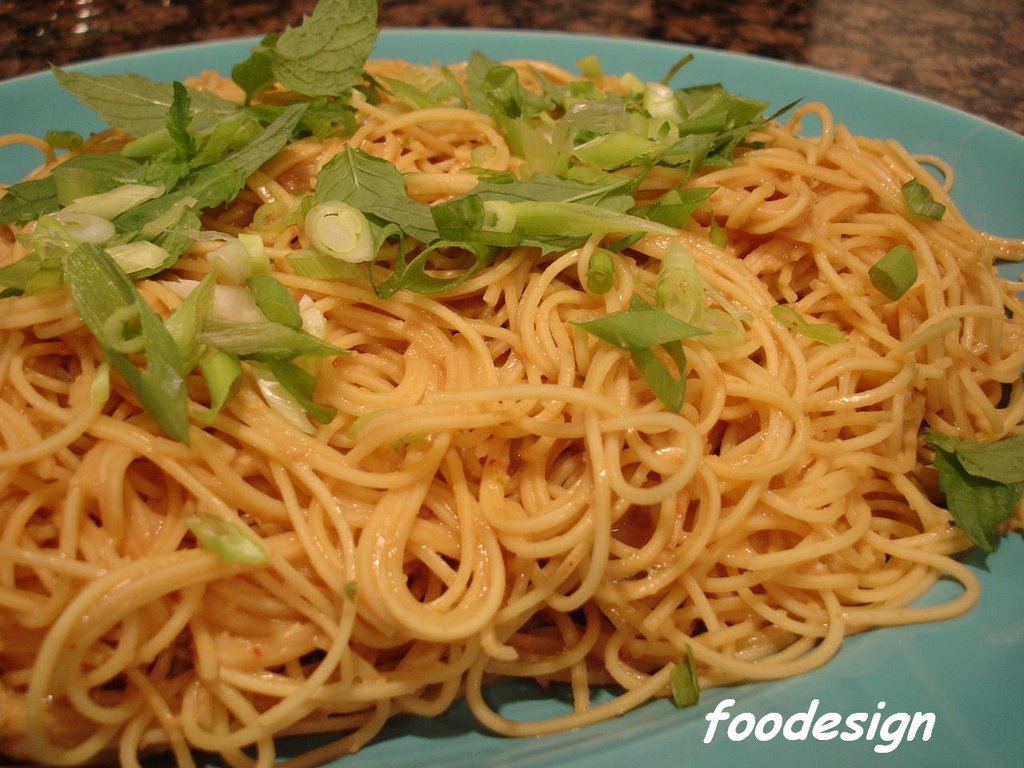
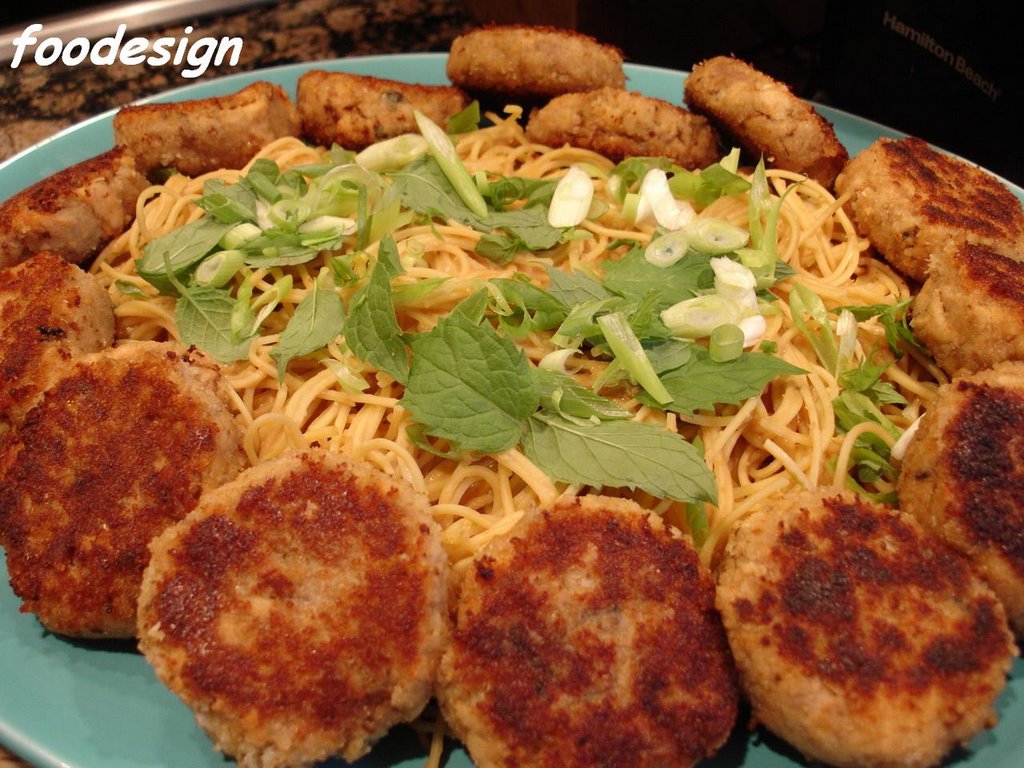
Another tasty recipe idea from the Food 911 show. A hint of peanut butter in the noodles added a very distinct flavor to this asian-inspired noodle dish. It was a perfect side dish to these fish cakes. I made only half of the recipe ( below ) the first time I tried it.

Cold Sesame Noodles ( recipe from Food 911 show )

1/2 pound Chinese egg noodles
3 tablespoons dark sesame oil
2 tablespoons peanut oil
2 green onions, thinly sliced on the diagonal
1-inch piece fresh ginger, minced
3 garlic cloves, minced
1 teaspoon red chili paste, such as sambal oelek
2 tablespoons brown sugar
1/2 cup creamy peanut butter
3 tablespoons rice vinegar
3 tablespoons soy sauce
6 tablespoons hot water
1 tablespoon toasted sesame seeds
Cucumber slices, for garnish
Fresh cilantro leaves, for garnish

Cook the noodles in large pot of boiling unsalted water over medium heat until barely tender and still firm. Drain immediately and rinse with cold water until cool. Drain the noodles really well and transfer to a wide bowl. Toss with the sesame oil so they don't stick together. In a small saucepan, heat the peanut oil over medium-low flame. Add the green onions, ginger, garlic, and chili paste. Cook and stir for a minute until soft and fragrant. Mix in the brown sugar, peanut butter, vinegar, soy sauce, and hot water. Stir until the sugar is dissolved and the peanut butter has smoothed out. Toss the noodles with the peanut sauce until well coated. Serve at room temperature or chilled. Garnish with the sesame seeds, cucumber slices, and cilantro.

September 16, 2005

thai cuisine night


My version of Pad Thai. A favorite pancit alternative. A craving for something sweet, salty & spicy which is what Thai cuisine is all about. Pad Thai just requires one indispensable ingredient, bean sprouts. Without it I guess it's just not right. My husband's allergic to shrimps, I can't use them but boiled chicken strips work quite well. Don't forget the finely chopped or grated garlic, lots of them! Chopped cilantro, sliced scallions and chopped toasted peanuts or walnuts ( I used walnuts) are good to sprinkle on top right before serving.
The fresh-picked ingredients for this thai-inspired dish, I'm proud to say, are mostly harvested from our backyard. I have since acquired small pots of kaffir lime and lemongrass from a specialty nursery around here. Kaffir lime isn't easy to find, not available at the Home Depot or other gardening stores. We're just lucky to have found it. The dish calls for thai basil leaves but I substituted pepper leaves which we have a lot of. Pepper leaves I thought would work since we Filipinos know how good they are in Tinolang Manok ( chicken soup with pepper leaves & ginger ) and what a good substitute! The pepper leaves complement the richness of the coconut milk and blended well with the other flavors. A very colorful & comforting dish.
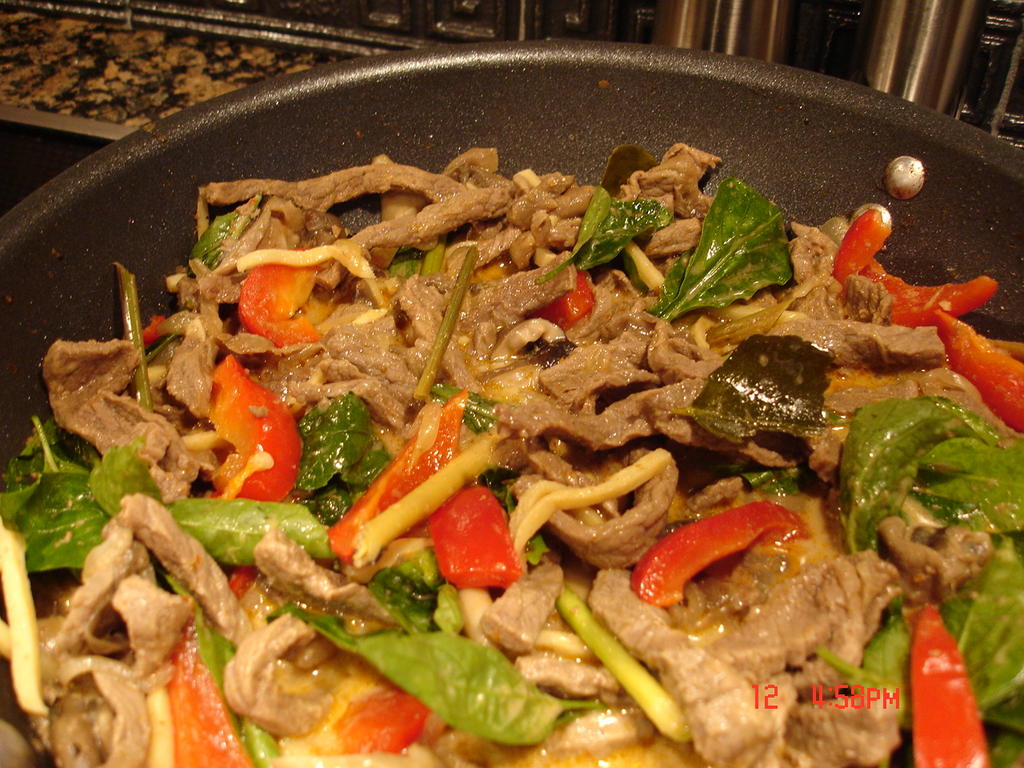
Thai cuisine has always been one of our favorites. The coconut milk in this dish mixes well with plain jasmine rice. I like the rice to soak up the rich sauce so I prefer this dish as a rice topping. Very thin beef strips work well, cooks fast, perfect for a quick meal. When I was younger, I never cared for dishes with coconut milk, I must admit I've missed a lot. It was only lately when my sister-in-law (who grew up in Quezon province where coconuts are plenty) started cooking guinataang langka (young jackfruit with coconut milk) that I began to like it. Now I like anything with coconut milk. My husband has absolutely no problem with Thai cuisine, he likes anything that's spicy. I usually chop up additional chilis to serve on the side for him.


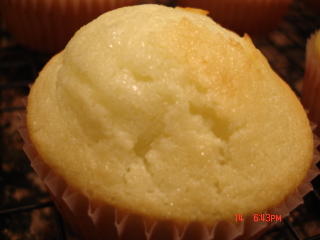
Bibingka Mix which comes in a box available in Philippine or Oriental stores is what I used to make these muffins. Additional sour cream, about 2 tbsps., made them lighter & fluffier. I just made a mistake setting the oven temperature a bit too high, causing the muffin tops to brown quickly & set before the center was done, but I quickly turned the heat down to 350 degrees and I guess was able to save them from burning. It would have probably risen more if I got the setting right in the first place. These muffins were a perfect snack or dessert with our tea later.